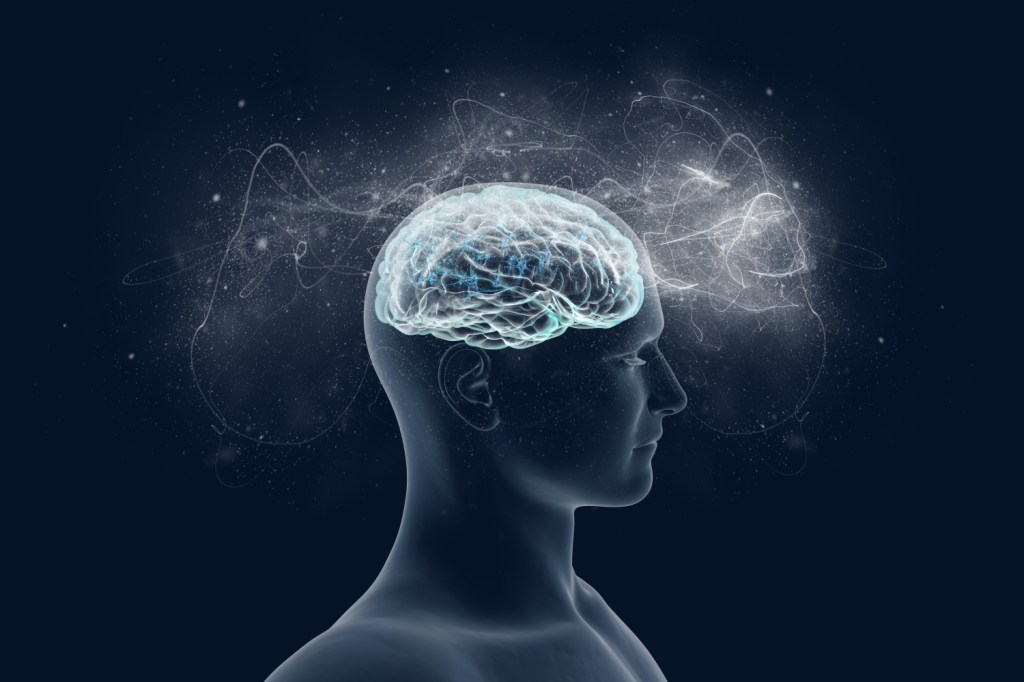
“The mind has to be built out of specialized parts because it has to solve specialized problems. Only an angel could be a general problem-solver; we mortals have to make fallible guesses from fragmentary information. Each of our mental modules solves its unsolvable problem by a leap of faith about how the world works, by making assumptions that are indispensable but indefensible — the only defense being that the assumptions worked well enough in the world of our ancestors.”
from How the Mind Works by Steven Pinker
What we experience as our perceptual, subjective universe arises mainly from a series of abstractions. By default, we take raw sensory experiences entering our nervous systems and, through a series of structures and processes, delete, distort, and generalize this massive amount of information into a relatively small, easier-to-work-within subjective universe. This process occurs so rapidly and so seamlessly that it has been the rule that most humans have never considered their subjective universe as not simply being the only universe.
Using the triune brain model, there are three fundamental directions that our sensory systems use to determine their actions.
The physical system moves towards those things that please it, such as a full stomach and away from things that cause pain in the moment. The emotional system moves towards happiness, connection, and excitement and away from fear and terror. The logical brain moves towards understanding and a sense of “getting it” and away from confusion and overwhelm. In all three of these situations, the dangerous reality of the moment, including long-term threats, will be ignored, provided that the systems feel they are in conditions of pleasure, happiness, and understanding.
From these basic systems of dividing experiences on “towards-away” lines, our mind can begin a process of abstraction. Raw experience is given meaning, such as “good” or “bad,” that will shape continued actions. Often, these abstractions become mistaken for the “real” event, as the mind is not good at distinguishing event and abstraction without training and vigilance. A negative experience with something might cause it to be considered “bad” for the rest of an individual’s life.
These initial abstractions develop into clusters of impressions or beliefs. These beliefs allow for less intellectual discomfort as they do not require new thinking once established. If you run into a situation, your beliefs will guide how you understand the experience so that energy does not need to be expended on new interpretations. Often, after the initial development of a human being has completed in adulthood, it is unlikely, barring severe shock or tremendous effort, for beliefs to change.
Cultures, in some ways, can be seen as transmitted systems of belief from individual to individual. As a means of surviving in a given context, individuals’ past experiences become abstracted and transmitted without real thought about how these abstractions relate to objective reality. This also saves discomfort across the mind’s systems and prevents potentially needless energy expenditures by individuals within the culture. Reconsiderations of a culture’s beliefs are actively discouraged, with violations of the transmitted interpretations in favor of individual experience having potentially deadly consequences.
The abstractions of culture have positive elements as well. Cultures can be seen as a kind of multigenerational work of art, seeking its sense of the good, the true, and the beautiful to the extent that the context in which they live will allow. The structures of the culture, its beliefs about human identity, the cosmos, the human place within it, and how to interpret experience have guided and, in many cases, allowed for the thriving of humanity across centuries. Sadly, many of these cultures are being lost as we enter into a new period of human interconnection, and its effects are shattering established contexts and creating new ones faster than the process of culture can cope with. It also means that the future of culture and what will define the durable legacies of our time to the future is up for grabs.
 Setemheb